
Category: 3D Human Anatomy
-

3D Skull and Head Anatomy Model
Read More →: 3D Skull and Head Anatomy ModelQuick answer: For a free, labelled 3d human skull model, start with Ohio University’s open-access skull 3D PDF, where each bone is a separate coloured object. It is licensed for educational and research use, not commercial work. The skull is one region within the wider 3D human anatomy model toolkit. This guide helps you pick…
-

3D Human Organs Model: Full List
Read More →: 3D Human Organs Model: Full ListA 3D human organs model is best chosen by coverage. Pick a systems-based viewer for separable whole-body study, a regional model for abdominal detail, and a scan-based set when the origin of the organ matters. This guide compares the main kinds of organ set and how they behave. For the wider field beyond organs, start…
-

3D Anatomy Models in Virtual and Augmented Reality
Read More →: 3D Anatomy Models in Virtual and Augmented RealityYou want augmented reality human anatomy on the device you already own, not a lab headset. Start with a free phone app or a browser tool, and move to goggles only when a course supplies them. This shortlist covers phone apps, browser AR, goggles and VR headsets, with the platform conditions that decide each one.…
-
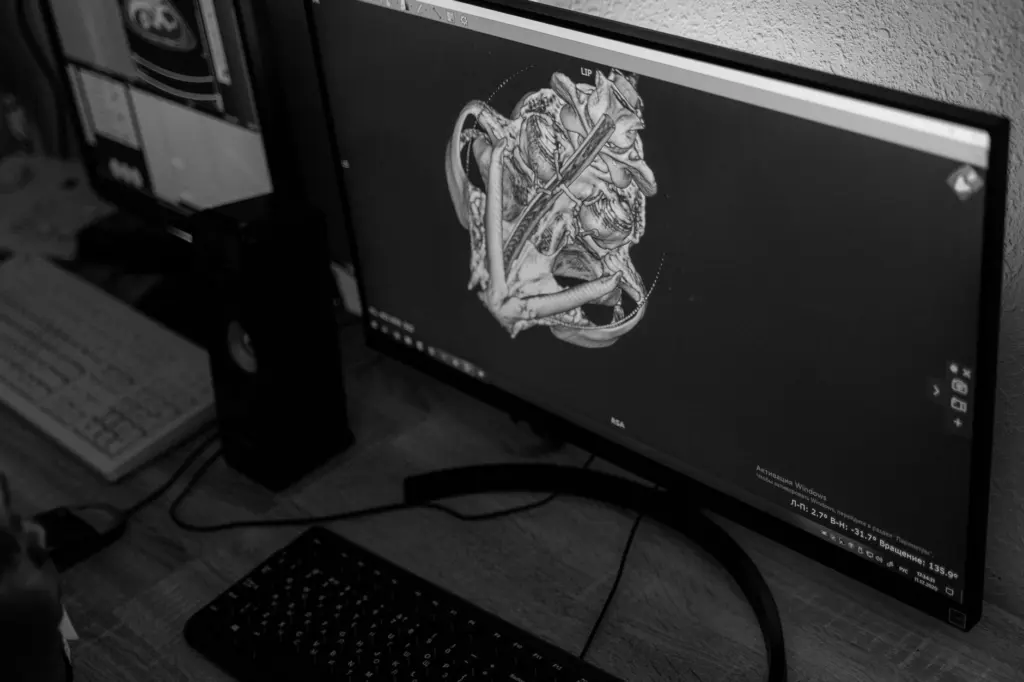
3D Human Anatomy Models
Read More →: 3D Human Anatomy ModelsA 3D human anatomy model is a digital body, or body region, built from separate named structures that you can rotate, layer and inspect on screen. Start by deciding whether you need to study it, render it or prepare it for printing. Studying favours interactive platforms with labelled structures. Animation, rendering and print preparation depend…
-
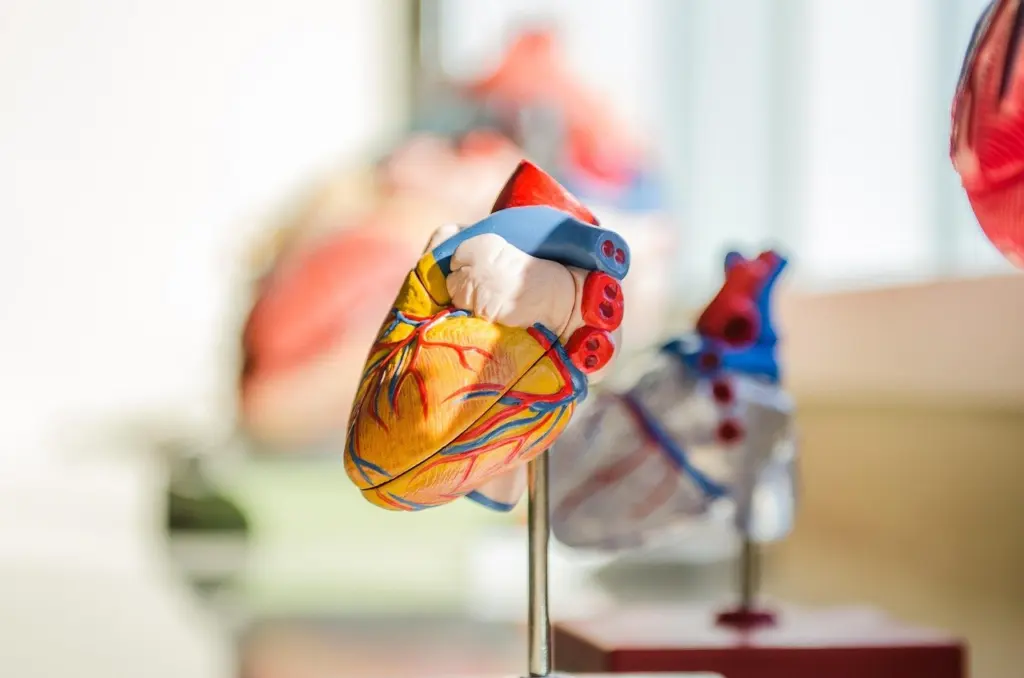
3D Heart Anatomy Model
Read More →: 3D Heart Anatomy ModelA student opening 3d heart anatomy for the first time needs a model that names the chambers, valves and vessels, not just a smooth red shape. Quick answer: Check the structures. A useful model separates the four chambers (two atria and two ventricles) and shows valves, associated vessels, coronary arteries and the conduction system. Check…